
 02862770135
 0975777035


Flexographic Printing Technology for Cartons: Overview and Applications
Flexo carton box printing technology has become one of the most popular methods in the modern packaging industry. With its flexibility, high efficiency, and ability to quickly meet diverse market demands, this technology is increasingly prioritized. In this article, we will explore flexo printing technology, its operating process, as well as its fascinating applications in carton box production.
What is Flexo printing technology? Operating principles and outstanding advantages

Flexo printing technology is a printing method that uses white ink and printing plates made of elastic materials, usually rubber or plastic. Its operating principle is based on pressing ink onto the required material surface through sophisticated drive components.
The operating principle of flexo printing is very simple yet highly effective. When the machine operates, the printing plates are inked and then pressed onto the surface of the carton box or required material. The printing plates can be designed in various forms and sizes, depending on customer requirements. This allows flexo printing technology to meet almost all printing needs.
Advantages of flexo printing technology
One of the outstanding advantages of flexo printing technology is its ability to print on many different types of materials. From paper, carton boxes, and plastic to polyethylene film, this technology can easily perform all of them. This helps expand its applications across many different fields.
In addition, flexo printing technology also offers fast printing speeds. With its continuous operation, it can produce a large number of products in a short time. This is especially important in the packaging industry, where time is money.
Finally, flexo printing technology is also very ink-efficient. Compared to other methods, this technology consumes less ink while still ensuring sharp and vivid image quality.
Disadvantages of flexo technology
Despite its many advantages, it cannot be denied that flexo printing technology has some disadvantages. One of them is the high initial cost of investing in machinery and equipment. In addition, designing and producing the plates can be time-consuming and require high precision.
Furthermore, this technology is not the best choice for small orders, as the per-unit cost can increase significantly compared to large quantities.
Analysis of the Flexo printing process (Flexo Process): From preparation to finished product
The flexo printing process consists of many steps, from preparing materials to completing the product. Each stage in this process plays an important role in ensuring the quality of the final product.
Standard data
First, preparing materials is very important. Materials such as paper, carton boxes, or plastic film need to be carefully selected to match the print design. Quality checking the materials from the beginning will help avoid issues discovered during processing.
Print plate design
After selecting the materials, the next step is the design. This stage determines the image and message the product intends to convey. Creativity and innovation in design not only help attract consumers but also create value for the brand.
Printing
The printing stage is when all previous efforts begin to come to fruition. The printing machine proceeds to print the designs onto the surface of the carton box. This process needs to be tightly managed to ensure that every element is executed according to plan.
Quality control and finishing
Finally, after completing the printing process, the product undergoes quality control. Any errors will be detected and promptly addressed. Then, the product will be finished and ready for the market.
Flexomix technology: Optimal printing quality in the packaging industry

Flexomix technology is attracting attention in the printing industry, especially for packaging products such as carton boxes. It not only improves printing quality but also optimizes production.
The concept of Flexomix
Flexomix is an impressive solution combining traditional flexo technology with the latest digital systems. This allows manufacturers to leverage the advantages of both technologies, thereby enhancing product quality.
Benefits of Flexomix technology
Using Flexomix technology helps minimize setup time and increase production speed. Instead of having to change the plate every time an adjustment is needed, Flexomix allows manufacturers to adjust the image directly on the machine without stopping it.
In addition, this technology also helps save production costs. By minimizing requirements and optimizing workflows, companies can significantly save overall costs.
Applications of Flexomix in the packaging industry
With the benefits that Flexomix technology brings, it has quickly been widely applied in large packaging export products. Many businesses have now switched to Flexomix to improve production processes and quickly meet market demands.
Flexo printing technology curriculum: Reference materials and practical guides

The flexo printing technology curriculum is a valuable resource for those who want to learn more deeply about this field. This material not only provides a knowledge base but also practical implementation tools.
Flexo printing technology educational content
While studying flexo technology, you will find detailed information about the configuration and operating principles of flexo printing machines. At the same time, the material also includes the necessary standard steps before starting the printing process.
Practical implementation guide
In addition to theory, the curriculum also contains specific practical implementation tools, helping you gain a clearer view of the flexo process. These practical exercises will help learners master the necessary knowledge and skills to work in this field.
The importance of reference materials
Reference materials in the flexo printing technology curriculum are essential for those who want to improve their skills and knowledge of this technology. We help you stay updated on the latest trends and improve your workflow.
Flexo printing technology materials: In-depth reference for technicians and managers
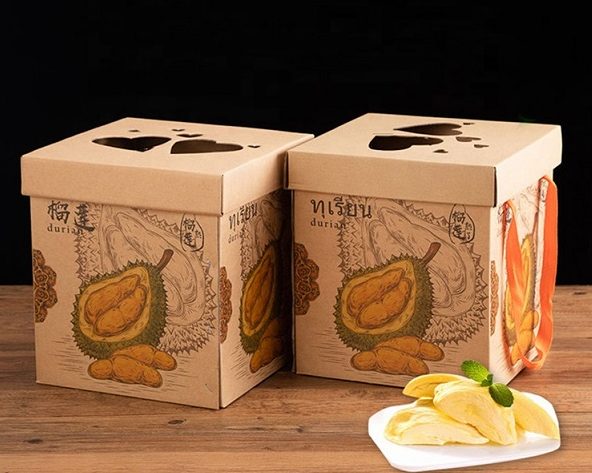
Flexo printing technology materials are not only useful for technicians but also essential for managers in the packaging industry. These materials provide in-depth information on technical issues as well as management strategies in this field.
Types of reference materials
There are many different types of materials you can refer to, from instruction books and research reports to scientific articles. These materials help enhance understanding of flexo technology and its practical applications.
The role of materials in management
For managers, grasping information from flexo printing technology materials is extremely important. It helps them make the right decisions regarding technology investment, workforce management, and production process optimization.
Updating new guides
The printing industry is constantly developing, so updating the latest materials will help technicians and managers always keep up with modern trends. This not only helps improve product quality but also creates a competitive advantage for businesses.
What is Flexo printing? Comparison with other printing techniques and suitable choices

Flexo printing is one of the most popular methods today, but to understand it better, we need to compare it with other printing techniques such as offset, digital, or screen printing.
Outstanding features of flexo
It has the flexibility to print on many different types of materials, from paper and carton boxes to plastic. This makes this technology the top choice for the packaging industry. Furthermore, flexo printing technology allows for high speed and ink efficiency.
Comparison with other methods
When comparing offset printing and flexo printing, flexo is more suitable for large orders. Meanwhile, digital printing is more suitable for small and personalized product orders. This means each method has its own level of priority, depending on customer needs.
Choosing the right technology
Choosing the right technology depends on many factors, including budget, product type, and order quantity. Therefore, manufacturers need to carefully consider the technology before deciding which one to use.
Factors affecting quality in Flexo and solutions to address issues
Product quality in flexo can be affected by many different factors. Knowing these factors will help manufacturers control and improve quality.
Material factor
Material is the most important factor affecting product quality. If the material does not meet requirements, the printed image will not be sharp, and the colors will not be as desired. Therefore, choosing the right material is essential.
Environmental conditions
Environmental conditions during printing can also affect product quality. Temperature and humidity need to be controlled to ensure they do not dry too quickly or stay wet for too long. Otherwise, this will lead to issues.
Solutions to address issues
To address quality issues, manufacturers can apply several solutions such as inspecting materials before acceptance, adjusting the printing process, or upgrading equipment. These solutions will help improve product quality effectively.
Modern Flexo printing technology development trends and the future of the printing industry
Flexo printing technology is constantly developing and being updated to meet the increasingly demanding market. Therefore, grasping modern trends is essential.
Technology improvements in
One of the most prominent trends is the application of automation technology. Modern flexo printing machines are equipped with sensor technology and smart software that help minimize errors during operation. This not only improves quality but also saves time and costs.
Enhancing sustainability
Companies today are increasingly focusing on product sustainability. Flexo technology has made great strides in reducing pollution and using environmentally friendly materials. These improvements not only help protect the environment but also create customer satisfaction.
The future of the printing industry
Looking ahead, the printing industry will continue to develop strongly, driven by technological changes and increasing market demands. Flexo printing technology will continue to play a leading role in packaging production while opening up many new directions for businesses.
Practical applications of Flexo technology in carton box production and packaging
Flexo printing technology has very diverse applications in carton box and packaging production. Understanding these applications will help businesses effectively utilize this technology in their production operations.
In carton boxes
Carton boxes are one of the main products where flexo printing technology is applied. With beautiful, sharp printing, carton boxes become more attractive to consumers. This technology helps manufacturers create diverse and rich designs.
Product packaging printing
In addition to carton boxes, flexo printing technology is also widely used in product packaging. From food and cosmetic packaging to other consumer products, this technology helps create eye-catching packaging that attracts consumer attention.
Custom design
One of the most useful benefits of flexible technology is the ability to customize designs. Manufacturers can easily change the image, logo, or information on the packaging without having to change the entire production process. This helps save time and costs for businesses.
Conclusion
Flexo carton box technology has proven its outstanding capabilities in the modern packaging industry. From the printing process to practical applications, this technology brings many benefits to businesses and consumers. With the continuous development of technology, flexo will surely continue to play an important role in the future of the printing industry.
Looking for Custom Packaging or Specialized Sizes?
Hoang Phuc Pack manufactures custom carton boxes and printed packaging directly at factory-direct pricing. Contact us for technical samples & quotes.